
Top Rhabdomyosarcoma Specialist Greater Noida
A rare childhood cancer that develops in muscle tissues and requires early diagnosis and
specialized treatment for the best possible outcomes.
Book Appointment
About Rhabdomyosarcoma
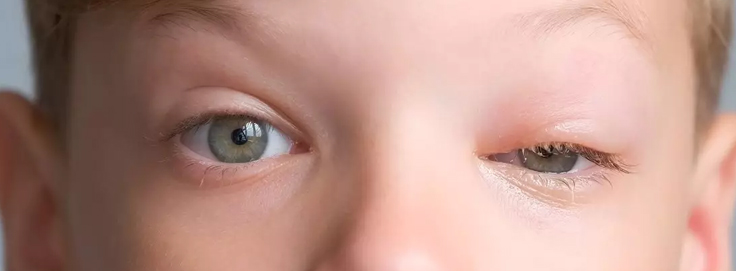
Rhabdomyosarcoma is an uncommon cancer that forms in soft tissues, especially in muscles responsible for movement. It is most frequently diagnosed in infants, children, and adolescents. This tumor can arise in various parts of the body, including the head and neck region, urinary or reproductive system, chest, and limbs, as muscle tissue is present throughout the body.
Recognizing symptoms early and seeking care from a Pediatric Soft Tissue Cancer Doctor can support timely diagnosis and appropriate treatment planning. With advances in pediatric oncology, treatment approaches such as surgery, chemotherapy, and radiation therapy have improved recovery rates and overall outcomes in affected children.
Risk Factors
The exact cause of rhabdomyosarcoma is not always clearly understood. It typically develops when immature muscle cells undergo abnormal growth and form a malignant tumor. In some children, certain genetic conditions or inherited syndromes may increase susceptibility, although many cases occur without a known cause or family history.
Awareness of early signs such as swelling, a painless lump, or changes in normal body function is important. Prompt medical evaluation, along with diagnostic tests like imaging and biopsy, helps in early detection, accurate diagnosis, and timely management of the disease.
Warning Signs
Symptoms of rhabdomyosarcoma may vary depending on where the tumor develops in the body.
Treatment Options
Treatment for rhabdomyosarcoma depends on the tumor location, stage of the disease, and the child’s overall health.
Surgery
Surgery may be performed to remove the tumor whenever possible.
Chemotherapy
Chemotherapy helps destroy cancer cells and reduce tumor size.
Radiation Therapy
Radiation therapy may be used to target and eliminate remaining cancer cells.
Multidisciplinary Care
Comprehensive treatment planning helps ensure the best outcomes for the child.
Diagnostic Approach
Diagnosing rhabdomyosarcoma requires a detailed medical evaluation to identify the tumor and determine its stage.
These investigations help doctors understand the tumor’s location, size, and whether it has spread.
Recovery Care
Recovery and follow-up care are essential to monitor health and support long-term well-being after treatment.
Follow-up care may include:
- Health Monitoring
- Treatment Response
- Side Effect Care
- Growth Monitoring
- Regular Checkups
Ongoing follow-up helps ensure early detection of any recurrence and supports overall recovery.
FAQS
What is rhabdomyosarcoma?
Rhabdomyosarcoma is a rare type of cancer that develops in soft tissues, especially in skeletal muscles that help the body move. It mainly affects children and teenagers.
What are the common symptoms of rhabdomyosarcoma?
Symptoms may include a painless lump or swelling, pain in the affected area, nasal blockage, difficulty urinating, or swelling around the head and neck region depending on where the tumor develops.
What causes rhabdomyosarcoma?
The exact cause is not always known. It occurs when immature muscle cells grow abnormally and form a tumor. In some cases, certain genetic conditions may increase the risk.
How is rhabdomyosarcoma diagnosed?
Diagnosis usually involves a physical examination, imaging tests such as MRI or CT scans, and a biopsy to confirm the presence of cancer cells.
What treatments are available for rhabdomyosarcoma?
Treatment typically includes a combination of surgery, chemotherapy, and radiation therapy depending on the tumor’s location and stage.
Is rhabdomyosarcoma treatable?
Yes, many children respond well to treatment, especially when the condition is diagnosed early and managed with specialized medical care.
Can rhabdomyosarcoma recur after treatment?
Although treatment can be effective, regular follow-up care and monitoring are important to detect any recurrence early and ensure long-term health.
Expert Consultation
If you notice unusual lumps, swelling, or persistent symptoms in a child, seeking professional medical advice is important.
Early consultation and proper diagnosis can help ensure timely treatment and better recovery outcomes.
Lump Formation