
Top Hepatoblastoma Doctor Greater Noida
A rare childhood liver cancer that requires early detection, accurate diagnosis, and specialized treatment for better recovery outcomes.
Book Appointment
About Hepatoblastoma
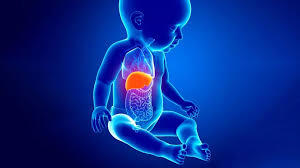
Hepatoblastoma is a rare liver cancer that primarily occurs in infants and young children, most often before the age of three. It develops when immature liver cells grow uncontrollably, forming a tumor within the liver and affecting normal liver function. Although uncommon, it is the most frequently diagnosed liver tumor in children.
Early detection and timely care under a Pediatric Liver Cancer Doctor are important for accurate diagnosis and effective treatment planning. With advances in pediatric oncology, including imaging techniques, tumor marker evaluation, and targeted therapies, many children show good response to treatment and improved survival outcomes.
Risk Factors

The exact cause of hepatoblastoma is not clearly defined. It is believed to develop due to abnormal growth of liver cells during early development. In most cases, the condition appears without a known trigger.
Certain factors may increase the risk, including premature birth, low birth weight, and specific genetic conditions. Rare inherited syndromes have also been linked to a higher likelihood of developing this tumor. However, many children diagnosed with hepatoblastoma do not have any identifiable risk factors, making early evaluation and awareness important for timely management.
Warning Signs
Symptoms of hepatoblastoma may vary depending on the size of the tumor and its effect on the liver.
Treatment Options
Treatment for hepatoblastoma depends on the stage of the tumor, the child’s overall health, and how much of the liver is affected.
Surgery
Surgery is usually performed to remove the tumor and affected portion of the liver.
Chemotherapy
Chemotherapy is commonly used to shrink the tumor before surgery or eliminate remaining cancer cells afterward.
Liver Transplant
In advanced cases where the tumor cannot be removed safely, a liver transplant may be considered.
Supportive Care
Comprehensive care focuses on improving recovery while maintaining the child’s overall health and liver function.
Diagnostic Approach
Diagnosing hepatoblastoma involves a combination of clinical evaluation and imaging tests to identify the tumor and determine its stage.
These tests help doctors understand the size, location, and spread of the tumor to plan the most effective treatment.
Recovery Care
Recovery from hepatoblastoma requires continuous monitoring to ensure proper healing and long-term health.
Follow-up care may include:
- Health Monitoring
- Treatment Response
- Liver Function Checks
- Growth Monitoring
- Regular Checkups
Regular follow-up visits help doctors detect any recurrence early and support the child’s long-term wellbeing.
FAQS
What is hepatoblastoma?
Hepatoblastoma is a rare type of liver cancer that mainly affects infants and young children. It develops when immature liver cells grow abnormally and form a tumor in the liver.
What are the common symptoms of hepatoblastoma?
Common symptoms may include abdominal swelling, abdominal pain, loss of appetite, weight loss, nausea, fatigue, and sometimes yellowing of the skin or eyes (jaundice).
What causes hepatoblastoma?
The exact cause is not always known. However, certain genetic conditions, premature birth, or low birth weight may increase the risk in some children.
How is hepatoblastoma diagnosed?
Doctors diagnose hepatoblastoma through physical examinations, imaging tests such as ultrasound, CT scans, or MRI, and blood tests including alpha-fetoprotein (AFP) levels. In some cases, a biopsy may be required.
What treatments are available for hepatoblastoma?
Treatment usually involves a combination of surgery and chemotherapy. In some advanced cases, a liver transplant may be considered.
Is hepatoblastoma treatable?
Yes, many children respond well to treatment, especially when the condition is diagnosed early and treated by a specialized pediatric oncology team.
Can hepatoblastoma come back after treatment?
Although treatment can be successful, regular follow-up visits and monitoring are important to detect any recurrence and ensure long-term health.
Expert Consultation
If your child shows symptoms related to liver health or you need guidance regarding hepatoblastoma diagnosis and treatment, seeking professional medical advice is important.
Early consultation and specialized pediatric care can improve treatment success and recovery outcomes.
Abdominal Swelling