
Top Medulloblastoma Specialist Greater Noida
A common childhood brain tumor that develops in the cerebellum and requires early diagnosis
and specialized treatment for improved outcomes.
Book Appointment
About Medulloblastoma
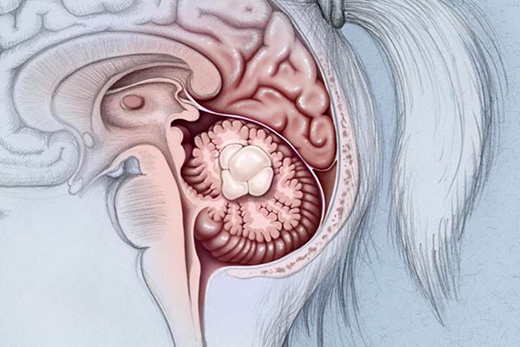
Medulloblastoma is a malignant brain tumor that primarily occurs in children. It develops in the cerebellum, the region of the brain that controls balance, coordination, and movement. This tumor tends to grow rapidly and, in some cases, can spread to other parts of the brain or spinal cord through cerebrospinal fluid. Early evaluation by a Pediatric Brain Tumor Doctor is important for accurate diagnosis and timely treatment.
Advances in pediatric neurology and oncology have led to improved diagnostic techniques and more effective treatment options, including surgery, radiation therapy, and chemotherapy. These developments have contributed to better recovery rates and long-term outcomes for many children.
Risk Factors
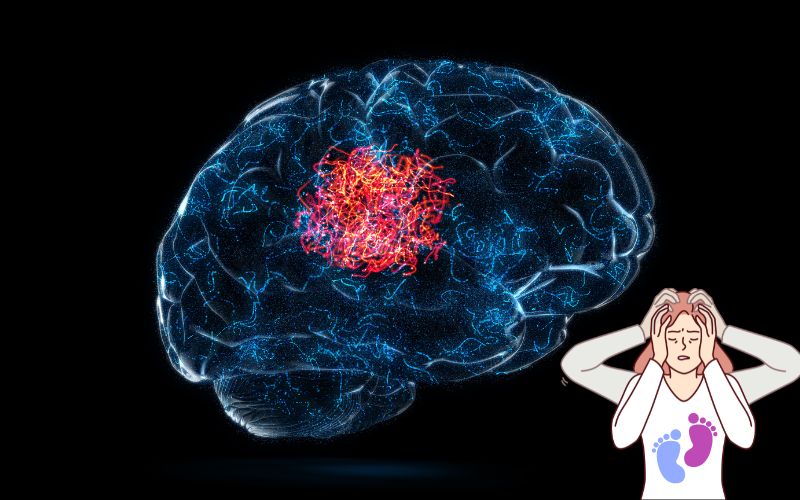
The exact cause of medulloblastoma is not clearly defined. It develops when certain cells in the brain begin to multiply abnormally, forming a tumor. In most children, no specific cause is identified. However, in rare cases, certain genetic conditions may increase the likelihood of developing this type of tumor.
Ongoing medical research continues to explore the biological and genetic factors associated with this condition. Recognizing early symptoms and seeking timely medical attention can support early diagnosis, appropriate treatment planning, and improved health outcomes.
Warning Signs
Symptoms of medulloblastoma often occur due to increased pressure inside the brain or problems with balance and coordination.
Treatment Options
Treatment for medulloblastoma depends on the child’s age, the size of the tumor, and whether
it has spread to other parts of the brain or spinal cord.
Surgery
Surgery is usually the first step to remove as much of the tumor as possible.
Chemotherapy
Chemotherapy helps destroy cancer cells and reduce the risk of tumor recurrence.
Radiation Therapy
Radiation therapy may be used to target remaining cancer cells after surgery.
Comprehensive Care
Specialized pediatric care focuses on improving recovery while protecting brain development and overall health.
Diagnostic Approach
Diagnosing medulloblastoma requires specialized neurological evaluation and imaging tests to identify the tumor and determine its extent.
These tests help doctors understand the tumor’s size, location, and whether it has spread.
Recovery Care
Recovery and follow-up care are important to monitor the child’s health and detect any potential recurrence.
Follow-up care may include:
- Neurological Monitoring
- Treatment Response
- Cognitive Support
- Growth Monitoring
- Regular Checkups
Continuous follow-up helps support long-term recovery and overall wellbeing.
FAQS
What is medulloblastoma?
Medulloblastoma is a type of brain tumor that develops in the cerebellum and mainly affects children.
What are the common symptoms of medulloblastoma?
Common symptoms include headaches, vomiting, balance problems, coordination difficulties, vision changes, and fatigue.
How is medulloblastoma diagnosed?
Doctors usually diagnose it using neurological examinations, MRI scans, CT scans, and sometimes spinal fluid tests.
What treatments are available for medulloblastoma?
Treatment typically involves surgery to remove the tumor, followed by radiation therapy and chemotherapy.
Is medulloblastoma treatable?
Many children respond well to treatment, especially when the condition is diagnosed early and managed with specialized care.
Can medulloblastoma spread?
Yes, in some cases the tumor can spread to other parts of the brain or spinal cord through cerebrospinal fluid.
Why is follow-up care important?
Regular follow-up helps monitor recovery, manage any side effects, and detect recurrence early
Expert Consultation
If a child experiences persistent headaches, balance problems, or other neurological symptoms, seeking medical advice is important.
Early consultation and specialized evaluation can help ensure accurate diagnosis and timely treatment.
Frequent Headaches