Are You Overlooking These Early Clues of Blood Cancer?
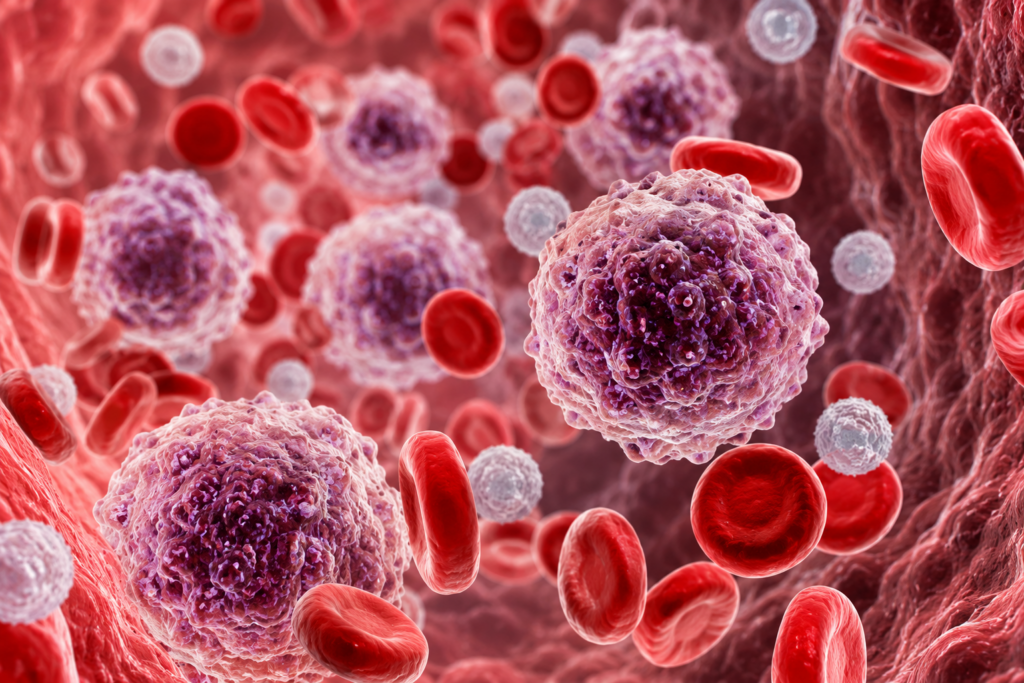
Blood cancer affects blood-cell production or function and may involve the bone marrow or lymphatic system. Its symptoms can resemble common illnesses. No single symptom confirms cancer, as many signs have non-cancerous causes.
Understanding Blood Cancer
Blood cancer includes several conditions. Leukaemia usually begins in blood-forming tissues, including bone marrow. Lymphoma develops in lymphocytes and commonly affects lymph nodes. Multiple myeloma is a type of blood cancer that develops when plasma cells, a part of the immune system, grow abnormally in the bone marrow.
Symptoms can appear individually or together, and their severity may vary. Medical history, medicines and previous illnesses can help clinicians understand the possible causes. Do not start supplements or treatment for suspected blood disorders without professional advice.
1. Persistent Tiredness and Weakness
Fatigue despite adequate rest can be associated with anaemia, infection, sleep problems or other conditions. In some blood cancers, abnormal cells interfere with normal blood-cell production. Reduced red blood cells can limit oxygen delivery, causing weakness, breathlessness or reduced stamina. Persistent fatigue deserves medical assessment.
2. Frequent or Recurrent Infections
White blood cells protect the body by identifying and fighting harmful germs and infections. Some blood cancers affect their number or function, potentially making infections more frequent or prolonged. Repeated infections deserve assessment, although medicines and immune conditions can cause similar problems.
3. Unexplained Bruising or Bleeding
Platelets help blood clot. Low platelet levels may lead to unexplained bruises, nosebleeds, bleeding gums or prolonged bleeding from small cuts. Tiny red or purple spots under the skin, called petechiae, may also occur. Frequent or excessive bleeding should be evaluated by a healthcare professional.
4. Swollen Lymph Nodes
Lymph nodes may become swollen when the body is fighting an infection. Swelling in the neck, armpit or groin is commonly temporary. A lump that persists, grows or appears without an obvious infection should be examined. Enlarged lymph nodes may occur due to lymphoma, but infections and other inflammatory disorders can also be responsible.
5. Fever, Night Sweats and Weight Loss
Some people with blood cancer experience recurring fever, drenching night sweats or unintended weight loss. These symptoms also occur with infections, hormonal conditions, medicines and other illnesses. Persistent or unexplained symptoms, especially when they occur together, warrant assessment.
What Do Low Hemoglobin Levels Mean?
Low hemoglobin levels may indicate anaemia, which can cause tiredness, dizziness, pale skin or breathlessness. Iron deficiency, blood loss, vitamin deficiencies, chronic illness and inherited conditions are possible causes. Some blood cancers affect red blood cell production, but anaemia alone does not mean cancer. A Complete Blood Count (CBC) test checks hemoglobin levels and evaluates different types of blood cells. Further tests depend on the results and clinical history.
How Is Blood Cancer Diagnosed?
Blood cancer diagnosis begins with a review of symptoms, medical history and physical examination. A complete blood count may identify unusual red blood cell, white blood cell or platelet levels. A peripheral blood smear examines the appearance of blood cells.
Depending on the suspected condition, further investigations may include flow cytometry, bone marrow aspiration and biopsy, lymph node biopsy, molecular tests or imaging. Not every patient needs every test; the selection depends on clinical findings.
A Blood Cancer Specialist Greater Noida may be involved when persistent blood-count abnormalities or symptoms require specialist investigation. The appropriate evaluation depends on the individual’s medical history and test results.
When Should You Seek Medical Assessment?
Seek medical assessment if fatigue, fever, recurrent infections, unexplained bruising, bleeding, swollen lymph nodes or weight loss persists or recurs. Keeping a record of symptoms, their duration and any associated changes may help during the evaluation.
Severe breathlessness, uncontrolled bleeding, fainting, confusion or serious illness accompanied by high fever requires urgent medical attention. Do not delay urgent care while waiting for symptoms to resolve.
A Hematology Oncology Specialist in Greater Noida may assess suspected conditions affecting the blood, bone marrow or lymphatic system and determine whether further investigations are appropriate.
About Dr. Ravi Shankar
Dr. Ravi Shankar lists work related to bone marrow transplant (BMT), stem cell transplantation, leukaemia, lymphoma, multiple myeloma, aplastic anaemia and thalassemia. It also mentions second opinions for complex blood disorders.
Conclusion
Early clues of blood cancer can resemble common health problems. Persistent, unexplained or worsening symptoms deserve medical assessment but are not proof of cancer. Appropriate investigations help identify the cause and guide further care.
Frequently Asked Questions
1. What are early signs of blood cancer?
Possible signs include persistent fatigue, recurrent infections, unexplained bruising, swollen lymph nodes, fever, night sweats and unintended weight loss.
2. Does anaemia mean blood cancer?
No. Anaemia has many causes, including iron deficiency, blood loss and vitamin deficiencies. Further tests may help identify the cause.
3. Can a routine blood test detect blood cancer?
A complete blood count may reveal abnormalities that need investigation, but it cannot diagnose every type of blood cancer by itself.
4. Are swollen lymph nodes always lymphoma?
No. Infections commonly cause swollen lymph nodes. Persistent, enlarging or unexplained lumps should be medically assessed.
5. Which tests are used to investigate blood cancer?
Depending on the suspected condition, investigations may include blood counts, peripheral smears, biopsies, flow cytometry, molecular tests and imaging.