Introduction
A diagnosis of lymphoma can raise many questions for patients and their families. Understanding how the disease is identified and how treatment decisions are made can help reduce uncertainty and allow individuals to participate actively in their care. Over the past two decades, remarkable progress in cancer diagnostics, molecular testing, targeted therapies, and bone marrow transplantation has transformed lymphoma treatment outcomes. Today, many forms of lymphoma can be effectively managed, and in numerous cases, long-term remission or cure is achievable.
The key to successful treatment lies in establishing an accurate diagnosis, determining the exact subtype of lymphoma, assessing the extent of disease involvement, and developing a personalized treatment strategy. Since lymphoma is not a single disease but a group of cancers affecting the lymphatic and immune systems, every patient requires an individualized approach based on their clinical condition and disease characteristics.
Understanding Lymphoma
Lymphoma is a cancer that develops from lymphocytes, a type of white blood cell responsible for protecting the body against infections. These cells are present throughout the lymphatic system, including lymph nodes, spleen, thymus gland, bone marrow, and other immune tissues.
When genetic changes occur within lymphocytes, the cells may begin multiplying in an uncontrolled manner. Instead of functioning normally, these abnormal cells accumulate and interfere with the body’s immune response. Over time, they can form tumors, enlarge lymph nodes, and spread to other organs.
Lymphoma is broadly divided into two categories:
Hodgkin Lymphoma
This form of lymphoma contains characteristic Reed-Sternberg cells when examined under a microscope. It often affects younger individuals and has excellent treatment outcomes when diagnosed appropriately.
Non-Hodgkin Lymphoma
Non-Hodgkin lymphoma includes multiple subtypes that differ in behavior, growth rate, and treatment requirements. Some varieties progress slowly, while others require prompt and intensive treatment.
Because each subtype behaves differently, identifying the exact form of lymphoma is one of the most important steps in treatment planning.
Early Warning Signs That Should Not Be Ignored
Many lymphoma symptoms can initially appear similar to common illnesses. However, persistent or unexplained symptoms should always be evaluated by a specialist.
Some frequently observed symptoms include:
- Swollen lymph nodes in the neck, underarms, or groin
- Recurrent or unexplained fever
- Excessive night sweating
- Unintentional weight loss
- Persistent tiredness
- Loss of appetite
- Frequent infections
- Persistent cough or breathing difficulties
- Abdominal discomfort or fullness
- Generalized itching without a clear cause
Not every person experiencing these symptoms has lymphoma, but proper medical evaluation is essential when symptoms persist.
The Importance of Accurate Diagnosis
Modern lymphoma treatment is highly specialized. Two patients with similar symptoms may require completely different treatment approaches depending on the subtype and stage of their disease.
An accurate diagnosis helps doctors:
- Confirm the presence of lymphoma
- Identify the exact subtype
- Assess disease aggressiveness
- Determine disease spread
- Select the most appropriate therapy
- Predict treatment response and prognosis
Without proper classification, treatment decisions may not be as effective as intended.
The Diagnostic Process for Lymphoma
Comprehensive Clinical Assessment
The diagnostic journey usually begins with a detailed consultation. Physicians review symptoms, medical history, family history, previous illnesses, and overall health status.
A thorough physical examination focuses on identifying enlarged lymph nodes, liver enlargement, spleen enlargement, and other signs that may suggest lymphatic system involvement.
Blood Investigations
Although blood tests alone cannot confirm lymphoma, they provide valuable information about the patient’s overall condition.
Common investigations may include:
- Complete Blood Count (CBC)
- Liver Function Profile
- Kidney Function Assessment
- Lactate Dehydrogenase (LDH)
- Inflammatory markers
- Viral screening when necessary
These tests help doctors evaluate organ function and identify abnormalities that may influence treatment planning.
Tissue Biopsy: The Definitive Diagnostic Step
Obtaining a tissue sample remains the most reliable method for diagnosing lymphoma.
During a biopsy procedure, a suspicious lymph node or affected tissue is removed and analyzed by expert pathologists. This examination reveals the cellular characteristics of the disease and helps determine the specific lymphoma subtype.
Advanced pathology techniques can further identify biological markers that guide treatment decisions and prognosis assessment.
Advanced Imaging Studies
Once lymphoma is confirmed, imaging plays a crucial role in determining disease extent.
Investigations may include:
- CT Scan
- PET-CT Scan
- MRI in selected situations
- Ultrasound evaluation
PET-CT imaging is particularly valuable because it highlights areas where lymphoma cells are actively growing. This information helps physicians determine the stage of disease and monitor treatment response.
Bone Marrow Evaluation
In certain lymphoma cases, doctors may recommend examining the bone marrow.
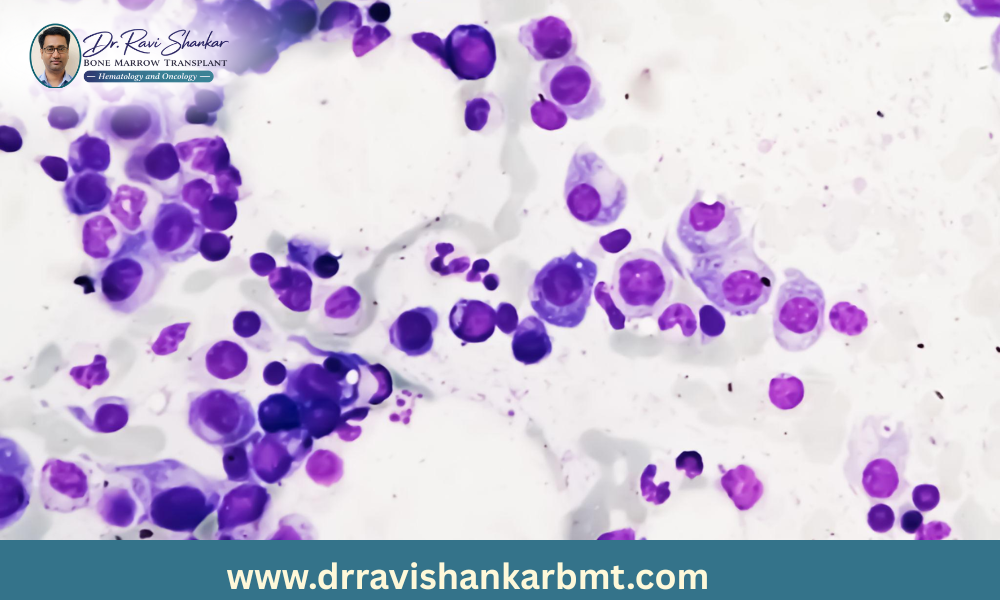
The procedure helps determine whether cancer cells have spread to the marrow and provides important staging information. Bone marrow assessment can significantly influence treatment planning, particularly in advanced or aggressive lymphomas.
Molecular and Genetic Testing
Modern cancer care increasingly relies on sophisticated laboratory technologies.
These may include:
- Flow Cytometry
- Immunophenotyping
- Cytogenetic Analysis
- Molecular Profiling
Such tests help identify biological characteristics that may influence prognosis and eligibility for targeted therapies.
Understanding Disease Staging
After confirming the diagnosis, doctors determine how extensively lymphoma has spread.
Stage I
Disease is confined to a single lymph node region or one lymphatic structure.
Stage II
Two or more lymph node groups are involved on the same side of the diaphragm.
Stage III
Lymph node involvement exists both above and below the diaphragm.
Stage IV
The disease has extended beyond lymph nodes into organs such as the bone marrow, liver, lungs, or other tissues.
It is important to remember that staging helps guide treatment decisions and does not always predict outcomes. Even patients with advanced-stage lymphoma may achieve excellent results with modern therapies.
How Treatment Plans Are Developed
Lymphoma treatment is never based on stage alone. Specialists consider several important factors before recommending therapy.
These include:
- Lymphoma subtype
- Disease stage
- Age of the patient
- Overall health condition
- Laboratory findings
- Genetic and molecular characteristics
- Previous medical history
- Expected treatment benefits and risks
A multidisciplinary team approach often ensures the highest standard of care by involving hematologists, oncologists, radiologists, pathologists, and transplant specialists.
Available Treatment Options
Chemotherapy
Chemotherapy uses specialized medications designed to eliminate rapidly dividing lymphoma cells. Depending on the lymphoma subtype, treatment may involve multiple cycles administered over several months.
Immunotherapy
Immunotherapy strengthens the body’s ability to recognize and attack cancer cells. Monoclonal antibody treatments have significantly improved outcomes for many lymphoma patients and are frequently incorporated into treatment protocols.
Targeted Therapy
Unlike traditional chemotherapy, targeted therapies focus on specific molecular pathways that support lymphoma growth. These treatments often offer greater precision and may reduce damage to healthy tissues.
Radiation Therapy
Radiation may be recommended for localized disease or as part of a combined treatment strategy. It can effectively destroy remaining cancer cells in specific areas of the body.
Bone Marrow Transplantation
For selected high-risk, relapsed, or treatment-resistant cases, bone marrow transplantation may be considered.
This advanced procedure allows the use of intensive therapy followed by restoration of healthy blood-forming cells. Specialized transplant centers have significantly improved the safety and effectiveness of this treatment approach.
Monitoring Progress After Treatment
Completing treatment does not mark the end of lymphoma care. Ongoing follow-up remains an essential component of long-term management.
Regular assessments help physicians:
- Evaluate recovery
- Detect recurrence early
- Manage treatment-related side effects
- Monitor overall health
- Provide supportive care when needed
Patients are encouraged to maintain a healthy lifestyle, attend scheduled appointments, and report any concerning symptoms promptly.
Conclusion
Advances in diagnostic technology and personalized treatment strategies have dramatically improved the outlook for individuals diagnosed with lymphoma. From detailed pathology evaluation and sophisticated imaging studies to targeted therapies and transplantation techniques, every stage of care contributes to achieving the best possible outcomes. Seeking timely evaluation from an experienced Blood Cancer Doctor Greater Noida can help ensure accurate diagnosis and effective treatment planning. Patients and families looking for comprehensive lymphoma care can benefit from the expertise of a qualified Lymphoma Specialist Greater Noida, who can guide them through every step of diagnosis, treatment, and long-term follow-up.